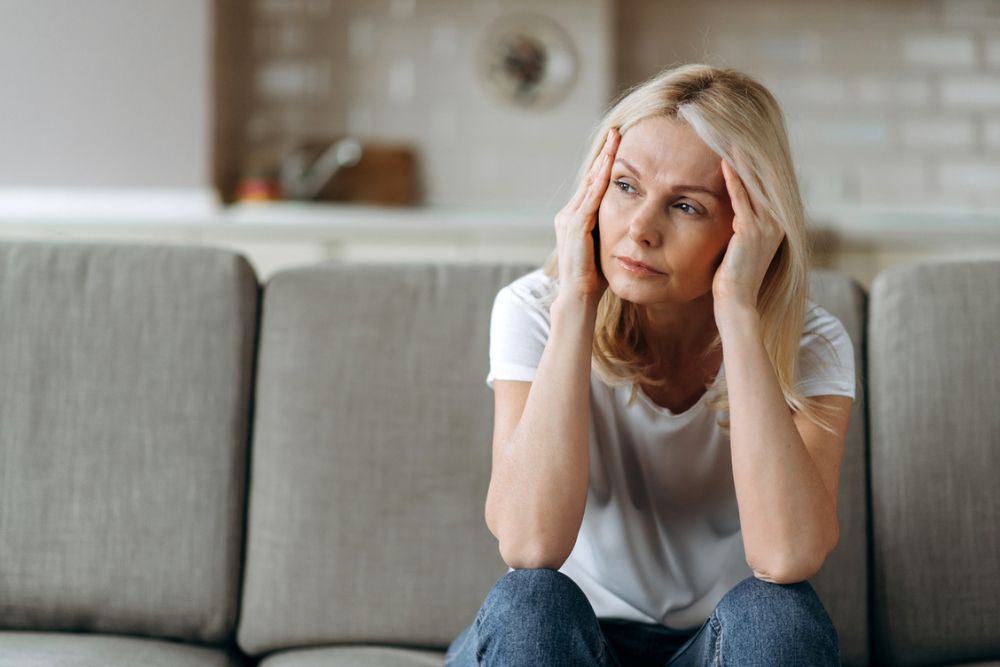
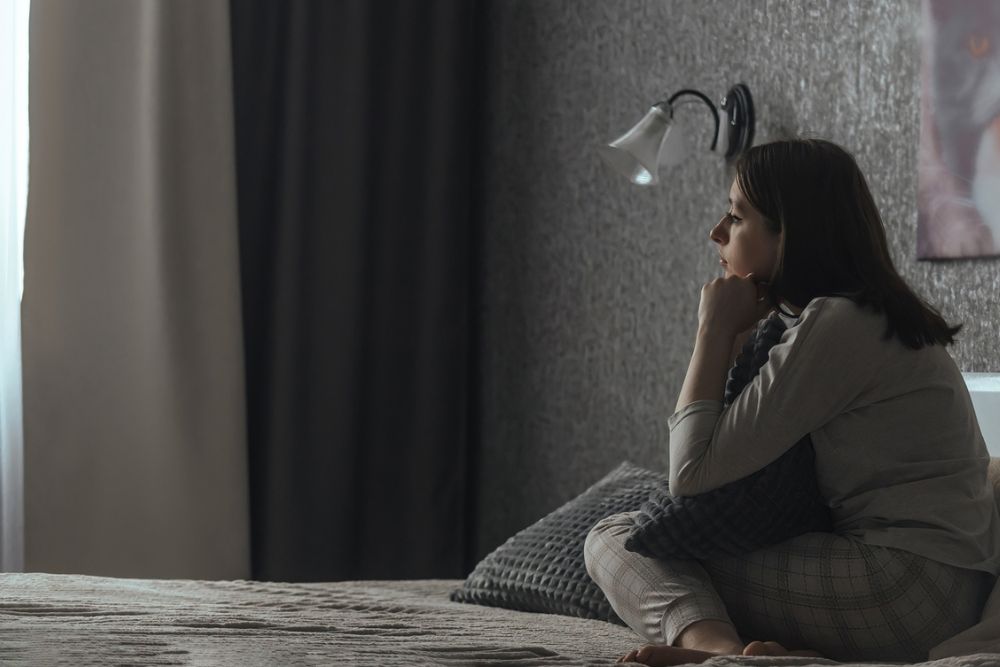
When the days grow shorter, and temperatures drop throughout Indiana, it’s not unusual to feel less energetic, spend more time indoors, or experience an occasional dip in mood. But what happens when those seasonal changes begin affecting your motivation, relationships, sleep, and ability to enjoy everyday life? For some people, these changes go beyond the occasional winter blues. They may be experiencing seasonal affective disorder (SAD), a form of depression that follows a recurring seasonal pattern. Although it primarily happens during the winter, there’s a summer version of SAD, too.
Understanding SAD is particularly important for individuals managing addiction recovery. Changes in mood, energy, and daily routines sometimes prompt additional emotional challenges, making it essential to recognize symptoms early and develop healthy strategies for handling them.
Understanding Seasonal Affective Disorder
The National Institute of Mental Health (NIMH) indicates that SAD most commonly develops during late fall and winter, improving as daylight increases in the spring and summer. However, SAD is more than feeling disappointed about colder weather or wishing for longer days. It’s a recognized mental health condition that can interfere with everyday functioning, relationships, work, and overall wellbeing.
NIMH researchers have identified several possible factors contributing to SAD:
- Reduced sunlight can disrupt your body’s internal clock, or circadian rhythm, affecting sleep patterns and mood regulation.
- Changes in serotonin, a brain chemical involved in mood, may also contribute.
- Seasonal changes often affect melatonin production, influencing sleepiness and energy levels.
- Vitamin D deficiency due to a lack of sunshine may also play a role in some individuals.
Certain factors increase vulnerability, including a family history of depression, existing mental health conditions, and, because winter SAD is more common, living in northern regions when daylight hours are limited. Women are more prone to develop the condition than men.
How Can You Recognize the Symptoms of SAD?
Although they vary from person to person, winter-pattern SAD frequently involves changes in mood, energy, appetite, and sleep. According to the Substance Abuse and Mental Health Services Administration(SAMHSA), SAD symptoms may include, but aren’t limited to:
- Persistent sadness, hopelessness, irritability, or anxiety
- Loss of interest in hobbies and activities once enjoyed
- Increased fatigue, low energy, and difficulty concentrating
- Sleeping more than usual or struggling to wake up
- Physical complaints such as unexplained aches and changes in daily functioning
- Increased appetite, particularly cravings for carbohydrates
- Unintended weight gain
- Withdrawing from friends, family, and social activities
- Feelings of guilt, worthlessness, or helplessness
Experiencing occasional sadness doesn’t automatically indicate SAD. It’s important to consult with a healthcare professional who will evaluate your symptoms, their duration, and their recurring seasonal pattern to determine whether a diagnosis is appropriate.
How Can SAD Affect Addiction Recovery?
Managing addiction recovery requires ongoing attention to emotional health, healthy routines, and supportive relationships. When SAD enters the picture, these important recovery foundations might be harder to maintain.
For example, persistent fatigue makes attending recovery support meetings, keeping appointments, exercising, or completing everyday responsibilities feel overwhelming. Social withdrawal may reduce contact with supportive friends, family members, and recovery communities. Emotional distress can also weaken your ability to resist familiar but unhealthy coping behaviors.
SAMHSA emphasizes that mental health and substance use challenges can overlap. Addressing both is important when developing an effective approach to treatment and recovery.
6 Helpful Ways to Manage SAD in Recovery
It’s important to remember that experiencing depression doesn’t mean you’re automatically headed for relapse. Recognizing the connection between seasonal changes and emotional health provides an opportunity to seek support before symptoms are too challenging to handle. Fortunately, several approaches reduce SAD symptoms and support your emotional resilience.
- Make natural light a priority. Spend time outdoors during daylight hours whenever possible. Take a morning walk, enjoy lunch outside, or sit near a sunny window. Consistent light exposure helps regulate your body’s internal clock.
- Consider light therapy. A specially designed light box can help compensate for reduced natural sunlight. NIMH describes a common treatment approach involving a 10,000-lux light box used for approximately 30–45 minutes each morning. Consult a healthcare professional before starting, particularly if you have bipolar disorder, an eye condition, or take medications that increase light sensitivity.
- Maintain a consistent routine. Regular sleep and wake times, balanced meals, hydration, and physical activity provide structure during challenging months. Even small daily accomplishments restore a sense of control.
- Stay connected. Resist the urge to isolate. Schedule time with supportive people, attend recovery meetings, and participate in activities that encourage meaningful social interaction.
- Protect your recovery plan. Talk with your counselor, sponsor, or recovery support network about changes in mood or motivation. Identify seasonal triggers, strengthen coping strategies, and make adjustments to your recovery routine before symptoms become difficult to manage.
- Seek professional support. Psychotherapy, including cognitive behavioral therapy adapted for SAD, and antidepressant medications may help. A healthcare professional can recommend appropriate treatment based on individual needs. Vitamin D supplementation may also be considered when deficiency is present.
If You Need More Extensive Care, Northern Path Can Help
While seasonal affective disorder might seem challenging at first, it doesn’t have to dictate your quality of life or derail your recovery. Recognizing the symptoms, understanding your personal triggers, and seeking appropriate support reinforces your mind, body, and spirit.
At Northern Path Recovery Center in Fort Wayne, IN, our board-certified professionals balance evidence-based treatment with an individualized holistic approach to help you find the right support, develop healthy routines, and look forward to brighter days. Contact our admissions team today to learn how we’ll help you make it through.