
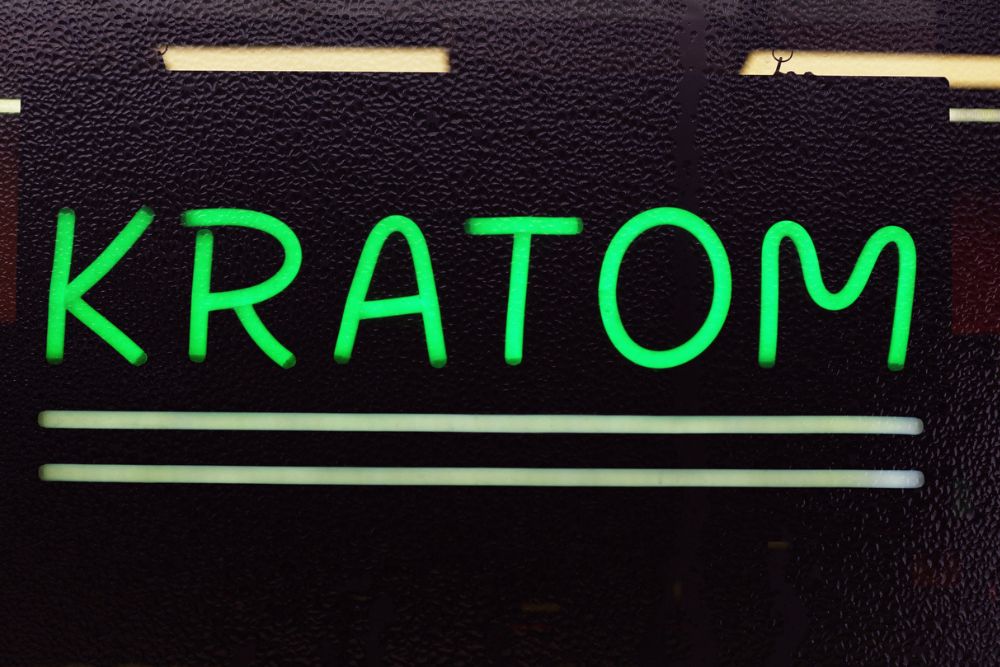
Kratom has become increasingly visible in smoke shops, gas stations, wellness stores, and online retailers across the U.S. Marketed as a natural botanical, it’s commonly promoted for energy, relaxation, mood enhancement, or pain relief. However, addiction specialists and public health agencies continue to warn that repeated kratom use can lead to physical dependence, withdrawal symptoms, and substance use disorder.
Although Kratom products have been illegal in Indiana since 2014, there’s growing concern regarding the rapid emergence of concentrated 7-hydroxymitragynine (7-OH) products. While banned, these highly potent gummies, extracts, liquid shots, and tablets continue to flood the marketplace, especially in adjoining states, delivering much larger amounts of one of kratom’s most active compounds than naturally occurs in the plant.
Why Can Kratom and 7-OH Products Become Addictive?
Kratom comes from the leaves of the Mitragyna speciosa tree, which is native to Southeast Asia. Its effects depend largely on the amount consumed:
- Lower doses may produce increased alertness, energy, motivation, and talkativeness.
- Greater doses tend to produce more opioid-like effects, including relaxation, pain relief, euphoria, and sedation.
Because these pleasurable effects can reinforce repeated use, some individuals gradually begin taking kratom more frequently. Over time, the brain adapts to its presence, leading to tolerance, meaning larger doses are needed to produce the same effects. Eventually, many users experience withdrawal symptoms if they stop, making it increasingly difficult to quit without assistance.
Indiana has classified kratom as a Schedule I drug under the Controlled Substances Act, meaning that “the drug or other substance has a high potential for abuse, and has no currently accepted medical use in treatment in the U.S.” Additionally, in July 2026, the U.S. Drug Enforcement Administration announced that it would temporarily place concentrated 7-OH products above specified thresholds, along with several related substances, into Schedule I classification.
Growing Public Health Concerns in Indiana
Medical professionals and local officials have become increasingly vocal about the dangers associated with both kratom and concentrated 7-OH products. In early 2026, the Warrick County Coroner issued a public warning after investigators observed kratom involvement in multiple local deaths. Officials noted that newer products containing 7-OH may increase the risk of overdose and emphasized the importance of educating the public about these products. They also advised that if someone appears to be experiencing an overdose, naloxone (Narcan) may help, but emergency medical services should always be contacted immediately.
Health experts have also expressed concern that some individuals begin using kratom as an alternative to prescription opioids or to self-manage pain, anxiety, or opioid withdrawal without medical supervision. While some users report perceived benefits, experts caution that replacing one potentially addictive substance with another creates new health challenges if dependence develops.
How Will You Know If Recreational Kratom or 7-OH Use Has Turned Into Addiction?
The transition from occasional use to addiction often occurs gradually. Someone may initially use these drugs only on weekends or during periods of stress but eventually rely on them simply to feel “normal”. Warning signs often include:
- Taking kratom or 7-OH products every day.
- Needing progressively larger doses.
- Experiencing cravings throughout the day.
- Unsuccessful attempts to cut back or quit.
- Withdrawal symptoms between doses.
- Continuing use despite problems at work, school, or home.
- Prioritizing obtaining or using the drugs over other responsibilities.
These behaviors suggest that substance use has moved beyond casual experimentation and now requires professional intervention.
What Quality Kratom Treatment at Northern Path Typically Includes
Many people are surprised to learn that treatment for kratom addiction resembles treatment for other substance use disorders. A comprehensive program addresses both the physical dependence and the psychological reasons someone continues using the substance.
At Northern Path Recovery Center in Fort Wayne, IN, our board-certified medical professionals perform a thorough medical and behavioral health assessment. We evaluate:
- How much kratom or 7-OH is being used.
- How long the person has been using it.
- Whether other substances are involved.
- Whether underlying mental, emotional, and physical health conditions contribute to continued use. Treating these conditions alongside addiction often improves long-term outcomes because unresolved mental health symptoms can increase the risk of relapse.
Depending on the severity of dependence, we may recommend medically supervised detoxification and withdrawal management. While kratom withdrawal isn’t always life-threatening, clinical guidance helps manage symptoms, reduce discomfort, monitor complications, and improve the likelihood of completing detoxification successfully.
After withdrawal, evidence-based therapy based on your individual needs becomes the foundation of recovery. Our residential treatment program includes many components to help you design a life of recovery your way, such as:
- Trauma-informed care, which helps address the connection between trauma and addiction, fostering healing, safety, and self-care.
- Cognitive behavioral therapy to help you recognize thought patterns and situations that trigger substance use while developing healthier coping skills.
- Motivational interviewing can reinforce commitment to recovery, and group counseling provides peer support from others facing similar challenges.
- Dialectical behavior therapy to strengthen skills in mindfulness, emotional regulation, distress tolerance, and interpersonal effectiveness.
- Acceptance and commitment therapy, intended to build resilience by accepting challenges while committing to a healthier, values-driven life.
The encouraging news is that kratom addiction recovery is achievable, especially when you seek professional treatment early.