
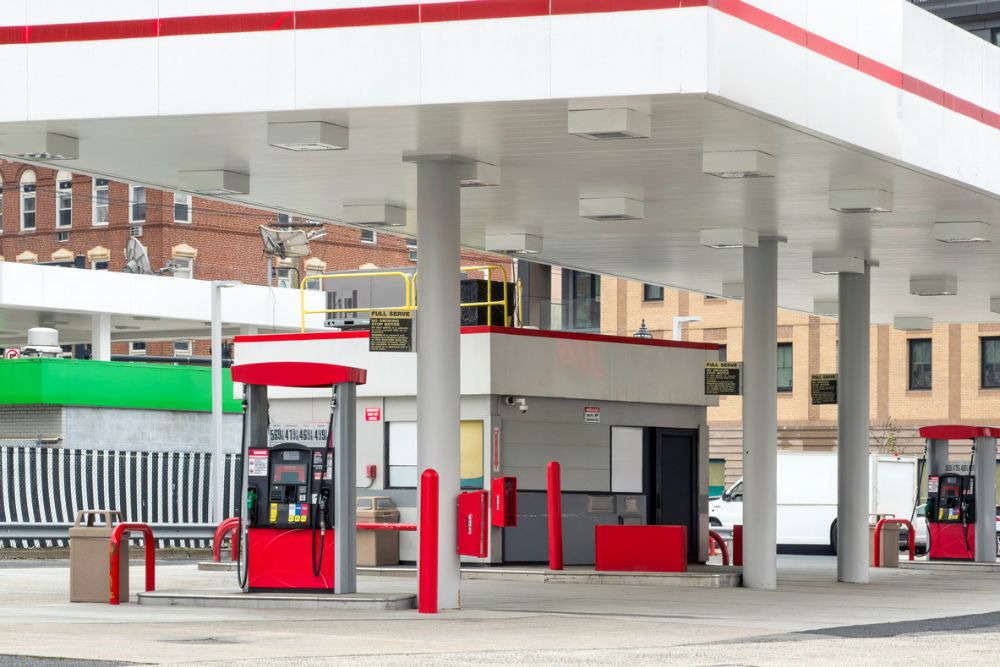
If you or someone you love is struggling with tianeptine misuse, it can be difficult to understand how a substance sold in a convenience store or online is so hard to stop. It’s classified as a Schedule I substance in Indiana and banned from sale, yet appears in numerous products, including illegal kratom, under various names: tianeptine sulfate, tianeptine sodium powder, tianaa, tianna green, tianna red and tianna white, according to the U.S. Food and Drug Administration (FDA).
Although tianeptine is a synthetic drug developed as an antidepressant and approved for medical use in some countries, it’s not approved by the FDA for any medical use in the U.S. Because it can produce opioid-like effects, tianeptine has earned the nickname “gas station heroin”, but it doesn’t contain that drug. Liquid products, concentrated shots, powders, and tablets are marketed in other states and online under names such as Neptune’s Fix, Pegasus, Tianna, TD Red Capsules, and ZaZa.
Why Can Tianeptine Become Addictive?
Some people initially take tianeptine hoping to improve their mood, manage anxiety or pain, or cope with emotional distress. Others may seek its opioid-like effects or use it as an attempted substitute for other narcotics. The FDA has warned that manufacturers made unproven claims about tianeptine treating conditions such as depression, anxiety, pain, and opioid use disorder.
While not a traditional opioid, it interacts with mu-opioid receptors in the brain in a similar way. At higher amounts, this activity produces effects such as euphoria, relaxation, sedation, and pain relief. Repeated exposure can lead to tolerance and physical dependence, meaning the body adapts to the drug and may eventually require it to function normally.
The Cycle of Dependence
A common myth about addiction is that people lack willpower to stop using drugs or alcohol. But substance use disorder is a brain disease: as tolerance develops, a person may need to use tianeptine more frequently or take larger amounts to achieve the effects they once experienced. Eventually, using the drug may become less about feeling good and more about avoiding withdrawal.
People may experience:
- Strong cravings
- Difficulty cutting back or stopping
- Continued use despite negative consequences
- Anxiety, depression, or other emotional difficulties
- Withdrawal when they try to quit
The Partnership to End Addiction notes that people with a history of opioid dependence may be particularly vulnerable to tianeptine misuse.
What Are the Risks of Gas Station Heroin?
Tianeptine misuse can cause serious medical complications, particularly when large or unpredictable amounts are taken or when the drug is combined with other substances. Reported effects include:
- Severe drowsiness or confusion
- Agitation and sweating
- Rapid heartbeat or elevated blood pressure
- Seizures
- Loss of consciousness
- Slowed or stopped breathing
- Coma
- Death
If someone appears to be experiencing a serious reaction or overdose, emergency medical care should be sought immediately.
What Does Tianeptine Withdrawal Feel Like?
For someone who has become physically dependent, stopping is similar to opioid withdrawal and extremely uncomfortable. Possible symptoms include:
- Muscle and body aches
- Sweating and chills
- Restlessness and difficulty sleeping
- Nausea, vomiting, or diarrhea
- Anxiety and agitation
- Increased depression
- Intense cravings
These and other symptoms often make a person feel as though returning to the drug is the only way to get relief. However, recovery is possible with appropriate medical and behavioral support to get through the discomfort of detoxification and address the reasons behind continued use.
Why Professional Treatment at Northern Path Makes Recovery Safer
Trying to overcome tianeptine dependence on your own is overwhelming. Professional treatment provides something addiction often takes away: the strength to step back from the cycle of obtaining, using, and withdrawing from the drug.
At Northern Path Recovery Center in Fort Wayne, IN, our board-certified medical professionals perform a thorough medical and behavioral health assessment to help you achieve lasting wellness. Our evidence-based approach includes:
- Medical monitoring. Clinicians can evaluate the severity of tianeptine dependence, monitor withdrawal symptoms, and watch for complications that may require medical attention. We also help develop a safe, individualized recovery plan.
- Treatment for underlying conditions. Tianeptine use may be connected to depression, anxiety, trauma, chronic pain, or another substance-use disorder. Addressing these concerns as part of dual diagnosis treatment makes recovery more sustainable by giving you or your loved one healthier ways to manage the problems that may have contributed to drug misuse.
- Behavioral therapy. Various types of counseling help people understand patterns behind substance use and develop healthier ways to respond to cravings, stress, and difficult emotions. Therapy also teaches practical strategies for identifying triggers and reducing the risk of relapse.
- Continuing support. Outpatient counseling, residential treatment, peer-support groups, family involvement, and relapse-prevention planning provide ongoing encouragement and accountability. Dedicated continuing care also helps you recognize warning signs and seek support before a setback becomes a return to regular use.
By taking an integrated approach, we treat the whole person—mind, body, and soul—through clinical, psychiatric, and holistic care. Contact our admissions team to learn more.