
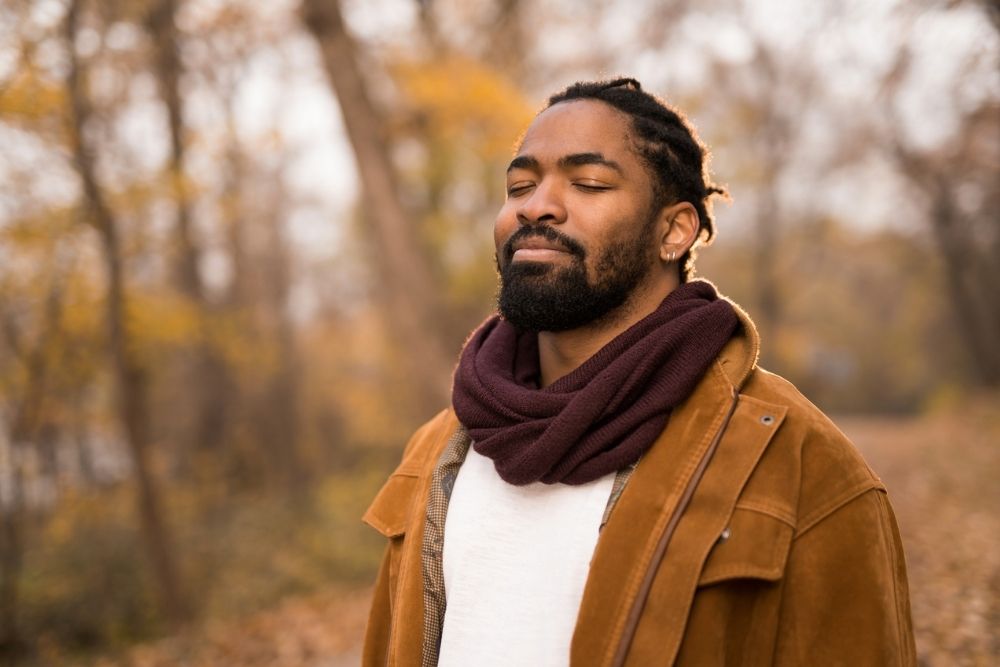
Although the practice of mindfulness has deep roots in Eastern philosophy, it entered Western medicine through the work of Jon Kabat‑Zinn, who created the secular Mindfulness‑Based Stress Reduction (MBSR) program and founded the Stress Reduction Clinic and the Center for Mindfulness in Medicine, Health Care, and Society at the University of Massachusetts Medical School in 1979.
Drawing from Buddhist practices, he adapted them into a clinical and scientific framework for managing stress, pain, and illness, building resilience, and maintaining better awareness. Best of all, Kabat-Zinn’s philosophy is simple: “Mindfulness involves being much more than it involves doing anything.”
What Are Some Science-Backed Benefits of Mindfulness?
As you’re refining your daily recovery practice, it’s helpful to know what other healthful methods might benefit you. Recent research continues to validate the multifaceted advantages of mindfulness for mental, emotional, and physical wellness.
1. Mental and Emotional Well‑Being
According to the National Institutes of Health’s News in Health, mindfulness-based treatments reduce symptoms of anxiety and depression, help individuals “de-center” from painful thought patterns, and assist in staying grounded in the present. A self-guided eight‑week mindfulness program showed stronger reductions in depressive symptoms compared to standard treatments.
2. Reduced Emotional Reactivity and Improved Relationships
Research involving mental health professionals revealed that mindfulness helps reduce emotional reactivity—allowing practitioners to stop and reflect instead of reacting impulsively. This process improved listening, communication, and overall personal well‑being.
3. Stress, Pain & Physical Health
The National Center for Complementary and Integrative Health reviewed mindfulness and found:
- A 2020 review of 14 studies reported significant reductions in blood pressure among people with conditions such as hypertension, diabetes, or cancer following MBSR practices.
- Mindfulness also demonstrated short‑term improvements in low back pain and pain tolerance. In adults using opioids for chronic pain, meditation was strongly associated with pain reduction.
- Among Veterans with PTSD, mindfulness was as effective as exposure therapy in reducing mental health disorder symptoms, and also enhanced mood and quality of life.
4. Brain, Immunity, and Aging
A 2023 review in Cureus showed that meditation and mindfulness produce positive MRI-detected brain changes, boost immune functioning, reduce inflammation, support healthy aging through telomere maintenance, and benefit conditions like diabetes, hypertension, and fibromyalgia. It also improved cholesterol profiles, blood pressure, and alleviated mental health issues such as social anxiety, PTSD, anxiety, and depression.
5 Practical Ways to Be More Mindful
Kabat-Zinn adds that “there are an infinite number of ways to practice mindfulness skillfully, and many different teachers and teachings to learn from. All are ultimately different doors into the very same room—the room of open-hearted human awareness.” Spend 2–5 minutes each day trying these methods and simply observe how you feel afterward.
1. Mindful Breathing
Sit comfortably and focus on your breath. Breathe in for 4 counts, pause briefly, breathe out for 5. This technique calms your mind, helps anchor you in the present, and is especially useful when you’re experiencing stress or anxiety.
2. Body Scan
Lie down or sit quietly and slowly bring attention—from your toes to your head—to each part of your body. Acknowledge sensations without judgment. This foundational MBSR method is particularly helpful for stress relief and pain management.
3. Mindful Walking
Walk slowly and focus on each step. Notice the contact of your feet, the rhythm of movement, and sounds or smells around you. It’s a great tool to center yourself when feeling jittery or mentally scattered.
4. Emotional Pause
When a strong emotion hits, pause. Instead of reacting immediately, observe the sensation: Where do you feel it in your body? Then, name it—“anger,” “sadness,” “tension”, and so on. Finally, allow it to pass. This approach builds emotional resilience and reduces emotional reactivity or compulsive behavior.
5. Mindful Daily Tasks
Choose one routine task—such as brushing your teeth, washing dishes, or sipping tea—and do it intentionally. Notice textures, movements, sounds, and sensations. This purposeful approach to mindfulness reinforces presence, reduces mental burnout, and fosters quiet, healing awareness throughout the day.
If you’d like more ideas for practicing mindfulness, try the JKZ Meditations App, Calm, Insight Timer, or Smiling Mind. There’s also Mindfulness Coach, designed specifically for Veterans and first responders.
Northern Path: Your Source for Whole-Person Wellness
At Northern Path Recovery Center in Fort Wayne, IN, our board-certified professionals believe that overcoming addiction isn’t just about stopping the use of drugs or alcohol—it’s about healing the whole person. To accomplish this, our team combines evidence-based treatment with holistic remedies such as mindfulness to address the physical, mental, and emotional aspects of recovery, giving you the tools to rebuild a balanced, healthy, and fulfilling life. Learn more by calling our admissions team today.