
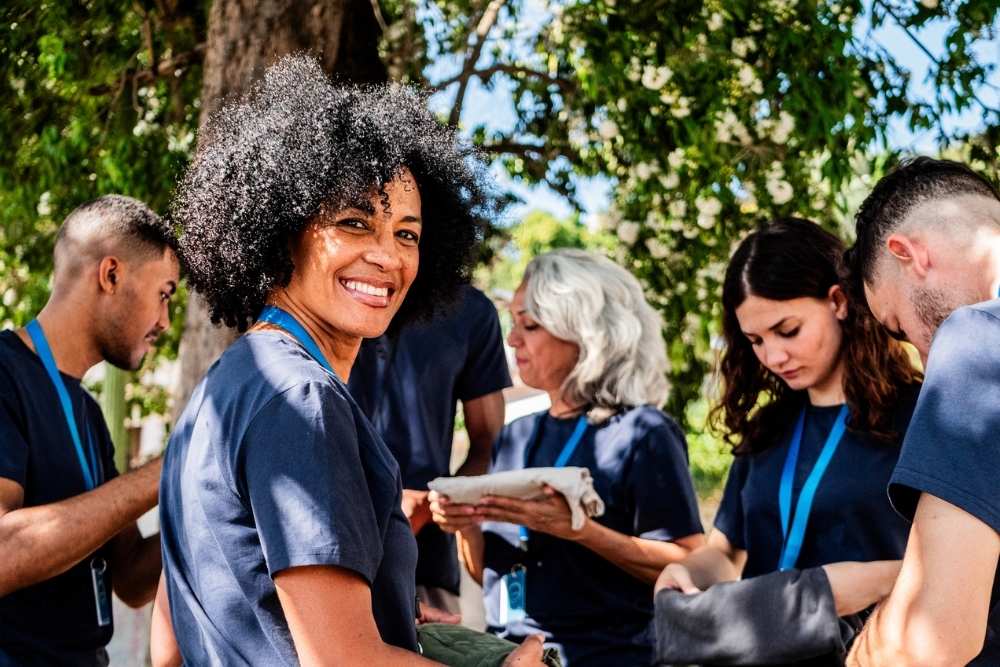
If you’re in addiction recovery, you already know how important it is to build a life that feels meaningful and balanced. Recovery isn’t just about misusing substances—it’s about discovering who you are, what you care about, and what gives your life direction. One surprisingly powerful way to support that growth is volunteering.
Volunteering isn’t about perfection or having everything figured out. It’s about showing up, contributing in small but meaningful ways, and realizing that you still have a lot to offer. For many people in recovery, volunteering adds to their sense of purpose, connection, confidence, and renewed self-belief.
Why Does Finding Purpose Matter So Much in Recovery?
Basically, it gives your days structure and meaning. When you wake up knowing that someone or something is counting on you, it shifts how you see yourself and your long-term recovery. Research consistently shows that having a sense of purpose, especially through volunteering, is linked to better psychological well-being, including, but not limited to:
- Higher levels of happiness
- Stronger social networks
- Reduced anxiety and depression
Participating in volunteer activities also increases your sense of community and connection, which can buffer stress and improve emotional health. It’s not just a feeling—science backs this up. Studies have found that people who volunteer regularly report better mental and physical health outcomes compared with those who don’t. This leads to:
- Increase self-esteem and life satisfaction.
- Support better overall physical and mental health indicators, such as reduced stress and a stronger sense of control over life circumstances.
These benefits happen because volunteering isn’t just an activity—it’s engagement with purpose and people.
How Does Giving Back Help You Heal Forward?
Volunteering gives you the chance to give back what you once needed. That shift—from feeling like a receiver of help to someone who helps others—is deeply empowering. When you spend time assisting others, your brain releases dopamine and other feel-good chemicals that reduce stress and elevate mood.
Whether you’re serving meals at a shelter, helping at an animal rescue, or tutoring youth, you develop the confidence that your actions make a difference—both to others and to your own sense of self-worth.
How Can Volunteering Help You Build Community Beyond Recovery Meetings?
Recovery is strengthened by community, and volunteering naturally brings people together around shared goals. You meet others who care about similar causes and values. These connections aren’t based on stigma or struggle—they’re based on common purpose, which expands your sober network in healthy, uplifting ways.
People who volunteer regularly tend to develop broader social networks, which is linked to improved mental health and emotional resilience. Connecting with others in a community setting also helps prevent isolation—a risk factor for relapse.
How Does Volunteering Improve Your Growth Mindset?
One of the most beautiful parts of recovery is rediscovering your potential. Volunteering reinforces a growth mindset: the belief that you can learn, adapt, and flourish even after hardships.
When you volunteer, you might:
- Develop new skills.
- Try tasks you’ve never done before.
- Take on leadership roles.
- Help solve real community problems.
Each new experience adds to your confidence and sense of self-efficacy. You begin to see that your life isn’t defined by past mistakes, but by your ability to grow, learn, and contribute. This mindset is closely tied to better life satisfaction and motivation: both key elements in sustained recovery.
Finding Balance: Your Needs Matter, Too
It’s important to approach volunteering in recovery gradually. While giving back is incredibly rewarding, it’s also okay to pace yourself. Taking on too much too soon might feel overwhelming—and recovery isn’t a race. The best volunteer experiences are those that fit your energy, interests, and recovery goals.
Start small if you need to, maybe an hour a week, and notice how it feels. Over time, you might be more eager to take on additional responsibilities or even mentor others in recovery through volunteer roles.
Design the Life You Really Want With Help From Northern Path
Volunteering is more than a way to fill time. It’s a method of living with purpose and connection. You have the opportunity to build community, improve your well-being, learn new capabilities, and rewrite your story from one of survival to one of contribution.Recovery is about rediscovering your strength, and volunteering gives you countless opportunities to see yourself as someone who matters, someone who helps, and someone capable of growth. At Northern Path Recovery Center in Fort Wayne, IN, our board-certified professionals focus on introducing you to various methods that help you realize all your potential. Talk to a member of our admissions team to learn more about our treatment and relapse prevention philosophy.